
When a business owner decides to refresh their image or launches a new venture, the first question is usually: “How much does a logo cost?”. In practice, however, a standalone graphic mark is only the beginning. When is a logo on its own sufficient, and when does a company require a comprehensive visual identity?
Understanding this distinction helps avoid unnecessary initial expenses and prevents frustration when implementing marketing materials down the line.
What is a standalone logo?
A logo is the fundamental visual symbol of a business. It consists of a signet (the icon or symbol), a logotype (the business name set in a specific typeface), and an optional tagline or claim.
A standard logo design includes:
- Crafting the mark in primary and secondary configurations (e.g. horizontal and vertical arrangements).
- Selecting colour versions (primary colour, solid black, white, and variants for dark and light backgrounds).
- A complete set of vector and raster production files (SVG, PDF, PNG, JPG).
- Concise guidelines regarding the exclusion zone (clear space) and minimum reproduction size.
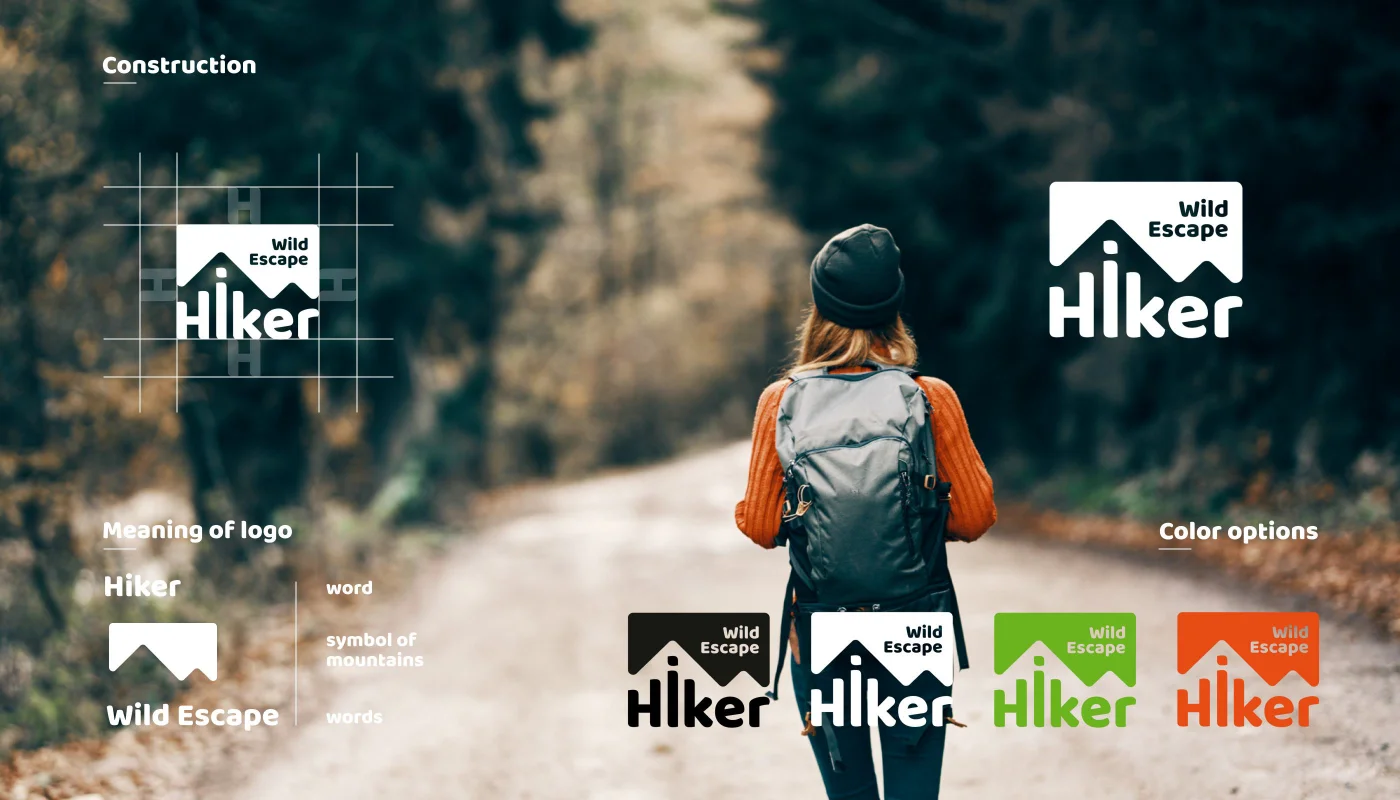 Mark construction: proportions, angles, and geometry of the signet and accompanying typography.
When is just a logo enough?
A standalone logo is an excellent choice in several clear scenarios:
- You are starting with a lean business: You are testing the market, operating as a solo professional, or need a mark primarily for invoices, a clean storefront sign, and social media profiles.
- Your budget is strictly defined: It is far better to invest in a single, impeccably crafted mark than an amateurish bundle of disconnected, generic collateral.
- You roll out materials in phases: You know additional assets will be required in a few months, but at this stage, you solely need official brand identification.
What is a visual identity (branding)?
A visual identity is an integrated system of rules and designed assets that ensures your business presents a cohesive, professional appearance across every customer touchpoint.
Within this system, the logo is merely one element. In addition to the mark itself, a visual identity includes:
- A precisely defined colour palette: Primary brand colours, secondary accent hues, and their exact values for print (CMYK, Pantone) and digital screens (RGB, HEX).
- Brand typography: Selected typefaces for headlines, running text, and callouts.
- Visual styling and graphic language: Layout grids, photographic art direction, framing rules, icon styles, and texture or pattern treatments.
- Production-ready business assets: Business cards, letterheads, email signatures, presentation folders, proposal templates, display banners, social media templates, and vehicle livery.
- A brandbook or concise style guide: A working document outlining the rules for proper application of all brand assets.
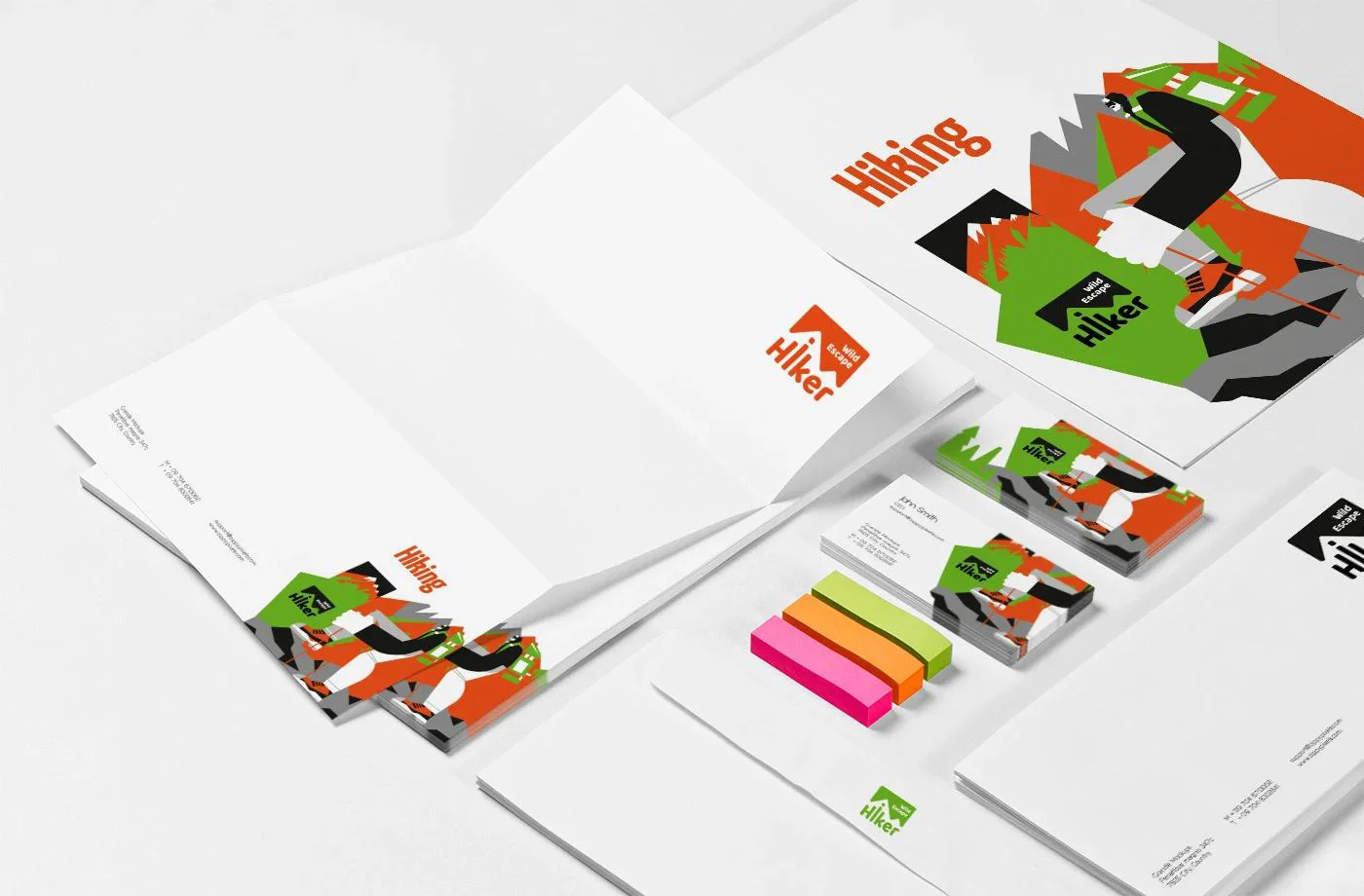
 Implementation of the identity system: corporate stationery, labels, and branded gear in a harmonious colour scheme.
When is a visual identity essential?
A comprehensive identity system becomes indispensable when:
- You manufacture or sell physical products: Packaging, labels, parcel tape, and instruction manuals must form a single recognisable visual language.
- You employ staff and maintain premises or a fleet: Client correspondence, commercial quotes, team business cards, and signage cannot look accidental.
- You brief multiple external suppliers: Printers, web developers, marketing consultants, and merchandise producers all need concrete specifications to avoid inventing their own interpretations of your brand.
- You compete in demanding B2B markets: Corporate buyers assess reliability through the polish and coherence of sales collateral and proposals.
Practical advice before commissioning
Before deciding on your project scope, list every location where clients will see your brand over the next six months. If that list ends at a business card and a social media profile, begin with a core logo package. If the list spans a website, PDF proposals, interior signage, and printed collateral, opt for a complete visual identity.
What is helpful to prepare before speaking with a designer?
Regardless of your chosen scope, the design process runs significantly more smoothly when you prepare:
- A concise overview of your company and offer: What you do, what services or products you sell, and who your core audience is.
- Existing assets (if available): Your current logo, links to past websites, or samples of printed materials.
- Market context and competitors: Names or websites of businesses you operate alongside.
- Visual preferences: Two or three reference examples from any sector whose aesthetic clarity, typography, or character match what you envision.
Detailed packages, deliverables for each option, and indicative pricing can be explored in Branding packages and pricing.